Journal of Veterinary Healthcare

Submit Manuscript

JVHC ISSN 2575-1212 Open Access CC BY 4.0 DOI 10.14302

Journal of Veterinary Healthcare

A peer reviewed, open access journal for research on the health of livestock and production animals, with a published record concentrated in veterinary microbiology and infectious disease, parasitology, and reproduction.

Journal identifiers
ISSN (online)2575-1212
PublisherOpen Access Pub
Crossref DOI prefix10.14302
LicenceCC BY 4.0 · authors retain copyright
Published record39 articles · 3 volumes · 11 issues · 2017–2025
Article processing chargeApproximately US$2,400 · US$999 student rate · charged only after acceptance

Submit a manuscript Aims & scope

There is no submission fee. Charges apply only after acceptance, and editorial decisions are independent of payment or membership status.

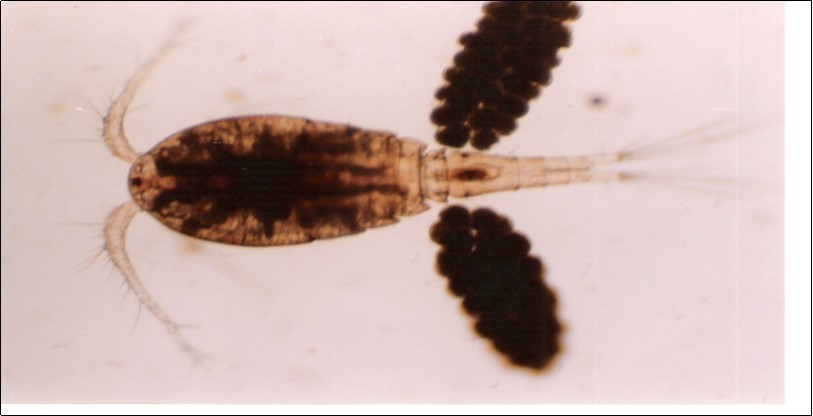
Transmitted-light photomicrograph of a gravid female copepod of the genus Cyclops, its two dark egg sacs flanking the abdomen, with antennae and caudal setae clearly resolved against a pale background.
Fig. 1 from Culture of Cyclops for Use the First Intermediate Host in Experimental Life Cycle of Spirometra Species. Nicholas Jairo Kavana, Journal of Veterinary Healthcare. 10.14302/issn.2575-1212.jvhc-20-3467 CC BY 4.0
01

What JVHC publishes

39 articles classified

Judge the fit from the record, not the prospectus

JVHC publishes research on animal health across companion animals, livestock and wildlife. The table below is the journal's own published record, classified by subject, so that a prospective author can see exactly where JVHC has and has not published before deciding whether a manuscript belongs here.

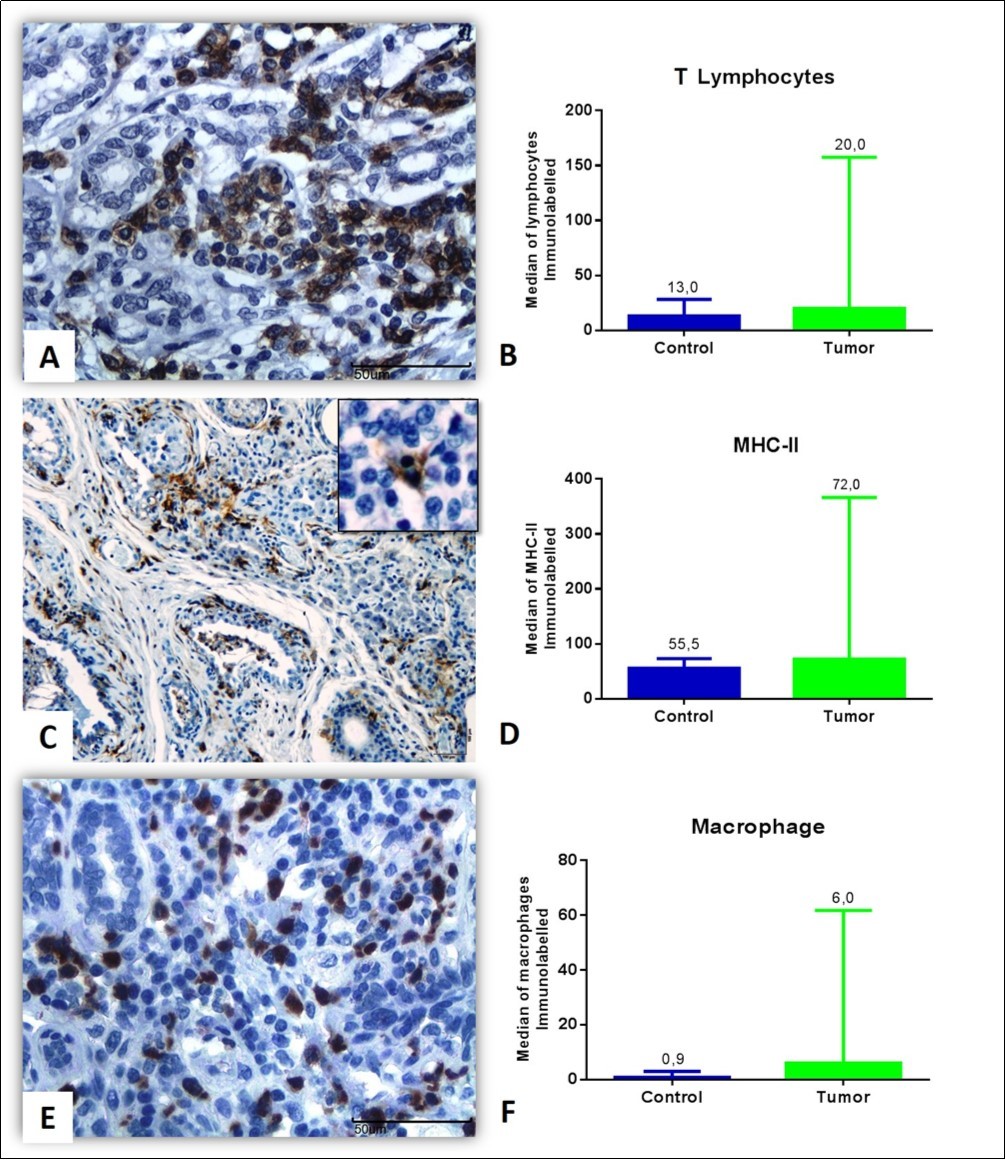
Six-panel figure. Panels A, C and E are immunohistochemistry photomicrographs of canine mammary tissue showing brown-labelled immune cells against a blue counterstain with 50 micrometre scale bars. Panels B, D and F are paired control-versus-tumour bar charts for T lymphocytes, MHC-II and macrophages.
Fig. 1 from Relationship Between Inflammatory Infiltrate Canine Mammary Carcinomas. Rosolem et al., Journal of Veterinary Healthcare. 10.14302/issn.2575-1212.jvhc-17-1586 CC BY 4.0
Published articles by subject, 2017–2025
Subject area Articles What the record contains
Veterinary microbiology and infectious disease 9 Bacteriology, virology and mycology; molecular characterisation of isolates; antimicrobial resistance; immunodiagnosis of bovine tuberculosis.
Veterinary parasitology 6 Prevalence and coprological surveys, life-cycle and intermediate-host work, and canine leishmaniasis and trypanosomiasis.
Reproduction and theriogenology 6 Postpartum uterine involution and ovarian activity, oestrous synchronisation, and reproductive performance in cattle and buffalo.
Diagnostic pathology and oncology 5 Immunohistochemical and histopathological studies, predominantly of canine mammary and bone tumours.
Pharmacology and toxicology 3 Controlled laboratory models of reproductive toxicity and oxidative stress, and aquatic ecotoxicology.
Animal nutrition and grazing management 3 Dose-response feeding trials in poultry and cats, and a longitudinal study of pasture and body condition in horses.
Veterinary public health and food safety 3 Zoonosis knowledge-attitudes-practice survey, poultry-meat contamination, and aflatoxin residues in milk.
Clinical medicine, surgery and anaesthesia 3 Retrospective case-control work from clinical records and comparative wound-healing and peri-operative studies.
Comparative exercise physiology 1 Flight performance profiling in racing pigeons.
Total39

Cattle and dogs are the most studied species, at ten articles each; production and livestock species account for about half the record. Studies are set predominantly in Egypt, Ethiopia, Brazil and Mexico. Designs represented include cross-sectional prevalence surveys, field immunodiagnostic trials, controlled animal experiments, molecular characterisation of pathogens, immunohistochemical case series, feeding trials and narrative reviews. The formal statement of scope is on the Aims & Scope page.

02

Selected research

Bylines verified against the published PDF
Research Article Vol 1, Issue 4 · pp. 41–54 · 14 December 2018

Effect of Coinfection by Fasciola hepatica and Mycobacterium bovis on Bovine Tuberculosis Immunodiagnosis in an Enzootic Area Hidalgo State, Mexico.

Xitli García-López, Laura Jaramillo-Meza, Héctor Quiroz-Romero, Camila Arriaga-Díaz, J. Juan Martínez-Maya, Fernando Diosdado-Vargas, Fernando Díaz-Otero

INIFAP-CENID and UNAM Faculty of Veterinary Medicine, Mexico

Sixty-one cows from a herd with 59.2% fascioliasis and 28% bovine tuberculosis prevalence were tested by single intradermal comparative tuberculin test, gamma-interferon release assay and ELISA, and results compared between coinfected and non-coinfected animals.

DOI 10.14302/issn.2575-1212.jvhc-18-2487

Research Article Vol 1, Issue 1 · pp. 21–38 · 29 August 2017

Natural Infection by H1-Like Influenza a Virus in South American Camelids from Argentina: Serological Evidences.

Elena Barbieri, Elsa Baumeister, Sandra Romero, José Ángel Martínez Escribano, Mariana Puntel, Viviana Parreño

CONICET and INTA Institute of Virology, Argentina, with INIA Madrid

Sera from 126 guanacos, 21 vicuñas and 100 llamas collected in Jujuy, Mendoza and Río Negro before, during and after the 2009 H1N1 pandemic were screened by haemagglutination inhibition and a recombinant H1-haemagglutinin ELISA.

DOI 10.14302/issn.2575-1212.jvhc-17-1661

Research Article Vol 1, Issue 1 · pp. 1–12 · 24 July 2017

Relationship Between Inflammatory Infiltrate Canine Mammary Carcinomas.

Mayara Caroline Rosolem, Filipe Santos Fernando, Pamela Rodrigues Reina Moreira, Rosemeri de Oliveira Vasconcelos

UNESP School of Agricultural and Veterinary Sciences, Jaboticabal, Brazil

Twenty-six simple mammary carcinomas and 18 tumour-free mammary gland samples from female dogs were examined by immunohistochemistry for T lymphocytes, macrophages, plasma cells and MHC-II, with mast cells assessed by toluidine blue histochemistry.

DOI 10.14302/issn.2575-1212.jvhc-17-1586

Research Article Vol 3, Issue 3 · pp. 1–13 · 17 July 2024

The Dietary Cation Anion Balance Exacerbates the Effects of Inorganic Phosphates on Parameters of Phosphate Metabolism in Cats

C. Steffen, B. Dobenecker

Chair of Animal Nutrition and Dietetics, Ludwig-Maximilians-Universität, Germany

Eleven healthy cats were fed a control diet and two diets supplemented with sodium monophosphate differing in dietary cation-anion balance, and parameters of phosphate metabolism were compared between diets.

DOI 10.14302/issn.2575-1212.jvhc-24-5146

Every article is open access under CC BY 4.0 from the day it is published. Descriptions above state what each study did; they are written by the publisher and are not the authors' conclusions. Browse the full archive.

03

Publication and citation record

Computed from the journal's own records
Volumes
Volume Years Issues Articles
1 2017–2018 4 17
2 2019–2022 4 16
3 2023–2025 3 6
Total 2017–2025 11 39
Stated plainly

JVHC does not hold a Journal Impact Factor, and none is claimed. Citation counts above are Crossref is-referenced-by counts read on 31 July 2026, not a journal-level metric. Of 39 published articles, 33 carry a DOI registered with Crossref; the remaining 6 are awaiting deposit and their identifiers are not linked anywhere on this site until they resolve. Output has been low since 2023 — the record above is the whole of it.

04

Editorial oversight

13 editors · 9 countries · 10 with ORCID

Editor-in-Chief

Mohammed A. Elmetwally

Department of Theriogenology, Faculty of Veterinary Medicine, Mansoura University, Egypt

Theriogenology; colour-Doppler assessment of uterine, umbilical and placental blood flow in cattle and small ruminants

ORCID 0000-0001-7486-7756

Editorial Board

Martin Svoboda

Ruminant and Swine Clinic, Faculty of Veterinary Medicine, University of Veterinary Sciences Brno, Czech Republic

Ruminant and swine clinical medicine; trace elements, mycotoxins and herd-level metabolic disease

ORCID 0000-0002-9735-1733

Editorial Board

Betül Apaydin Yildirim

Department of Veterinary Biochemistry, Faculty of Veterinary Medicine, Atatürk University, Erzurum, Türkiye

Veterinary biochemistry; oxidative stress, phytotherapy and reproductive biochemistry

ORCID 0000-0002-0361-6148

Editorial Board

Gabriela Noronha de Toledo

Programa de Pós-Graduação em Ciência e Saúde Animal, Universidade Federal de Campina Grande, Patos, Brazil

Veterinary oncology and pathology; canine transmissible venereal tumour, melanoma and immunohistochemistry

ORCID 0000-0003-0197-4555

Editorial Board

Karima Gh. M. Mahmoud

Department of Animal Reproduction and Artificial Insemination, Veterinary Research Institute, National Research Centre, Giza, Egypt

Buffalo, camel and small-ruminant reproduction; oocyte vitrification, in vitro maturation and sperm chromatin integrity

ORCID 0000-0002-0482-1207

Editorial Board

Burak Dik

Department of Pharmacology and Toxicology, Faculty of Veterinary Medicine, Selçuk University, Konya, Türkiye

Veterinary pharmacology and toxicology; endotoxaemia, wound healing and pharmacokinetics

ORCID 0000-0003-2738-6911
Editor as author

The Editor-in-Chief has authored or co-authored 5 of the 39 articles JVHC has published. JVHC states this because an author assessing the journal is entitled to know it. Manuscripts submitted by an editor should be handled by an editor with no involvement in the work, and JVHC's editorial policies are being updated to set that requirement out explicitly.

Six members are shown here. The full editorial board lists all 13, with affiliations and, where registered, ORCID iDs.

05

How a manuscript is handled

Stage 1

Editorial screening

Every submission is screened for scope fit, ethical compliance and reporting quality, and checked for plagiarism and redundant publication.

Stage 2

External peer review

Manuscripts that pass screening are assigned to at least two independent reviewers with expertise in the relevant discipline. Review is single blind: reviewer identities are not disclosed to authors.

Stage 3

Editorial decision

The Editor-in-Chief considers the reviewers' recommendations. Decisions are accept, minor revision, major revision, or decline. Authors may appeal, and appeals are reviewed by a senior editor.

Stage 4

Production and registration

Accepted manuscripts are copyedited and typeset, published open access under CC BY 4.0, and registered with Crossref.

Research integrity

  • Aligned with the Committee on Publication Ethics (COPE).
  • A data availability statement is required for every submission.
  • Use of AI for language editing or analysis must be disclosed.
  • Preprints are considered if disclosed at submission.
  • Reporting guidelines are encouraged: ARRIVE for animal research, CONSORT for trials, STROBE for observational studies, PRISMA for reviews.
  • Corrections, expressions of concern and retractions are issued where the record requires them.
  • All authors, reviewers and editors must disclose conflicts of interest.
  • Editorial decisions are independent of any advertising or sponsorship activity.
06

Animal ethics and welfare

Required at submission

What JVHC requires of an animal study

Veterinary research is carried out on animals that cannot consent, often in the care of an owner or a production system. JVHC requires the following at submission, and a manuscript that does not carry them is returned for revision or declined.

  • Compliance with institutional and national animal welfare regulations.
  • The approving ethics committee named, with its reference number.
  • Welfare oversight details for the study as conducted.
  • Owner consent where applicable, including for identifiable animal images and case details. Written consent is required and must be retained for editorial review.
  • Humane endpoints and welfare monitoring protocols described.
  • Animal handling procedures described.
  • Permits and conservation approvals for wildlife studies.
  • Owner information and farm location removed from shared datasets unless consent is documented, with coded identifiers used for animals and herds.

De-identification alone may not be sufficient for rare cases or small populations. The full requirements are set out in the instructions for authors and the editorial policies.

07

Access, charges and discoverability

Article processing charge

CategoryCharge
StandardApprox. US$2,400
StudentUS$999 with valid student ID
Editors and reviewersUp to 30% waiver
Low and lower middle incomePartial waivers

Charges apply only after acceptance. There are no submission fees, and editorial decisions are independent of payment or membership status. Waiver requests are reviewed after acceptance, to preserve editorial independence. Full charges and terms.

What it covers

  • Editorial screening, reviewer coordination and decision management.
  • Plagiarism and integrity checks.
  • Copyediting, typesetting and proof review.
  • DOI registration and metadata preparation.
  • Open access hosting and distribution worldwide.

Authors retain copyright. Articles are published under CC BY 4.0, which permits sharing, adaptation and commercial reuse with attribution, and authors may deposit the accepted manuscript in institutional or funder repositories. Copyright and licence.

Where JVHC is registered

Crossref33 registered DOIs
ISSN Register2575-1212, confirmed record
OpenAlexIndexed as a source

JVHC is not currently listed in DOAJ, Scopus, Web of Science or MEDLINE, and claims no coverage it does not hold. Indexing.

08

Questions authors ask

Is my manuscript in scope for JVHC?

JVHC publishes research on animal health across companion animals, livestock and wildlife. Its published record is concentrated in veterinary microbiology and infectious disease, parasitology, and reproduction and theriogenology, which together account for 21 of the 39 articles published so far, with a further strand in companion-animal diagnostic pathology. The subject table on this page shows the full distribution, and the formal statement of scope is on the Aims & Scope page.

How is a manuscript reviewed?

Every submission is screened for scope, ethics and reporting quality, then sent to at least two independent reviewers with expertise in the discipline. Review is single blind: reviewer identities are not disclosed to authors. The Editor-in-Chief takes the decision, which may be accept, minor revision, major revision or decline, and authors may appeal to a senior editor.

What does JVHC require for animal ethics?

Compliance with institutional and national welfare regulations; the approving ethics committee named with its reference number; welfare oversight details; owner consent where applicable, in writing for identifiable animals; described humane endpoints and welfare monitoring; and permits and conservation approvals for wildlife studies. Manuscripts lacking adequate welfare documentation are returned for revision or declined.

What is the article processing charge, and when is it payable?

The standard charge is approximately US$2,400, with a US$999 flat rate for students holding a valid student ID. There is no submission fee: the charge applies only after acceptance. Waivers are available for editors and reviewers and for authors in low and lower middle income settings, and are reviewed after acceptance so that they cannot bear on the editorial decision.

Does JVHC have an impact factor?

No. JVHC is not indexed in Journal Citation Reports and holds no Journal Impact Factor. Any figure presented elsewhere as a JVHC impact factor is not one. The citation record on this page is drawn from Crossref and is stated as such.

Where is JVHC indexed, and will my article get a DOI?

JVHC content is registered with Crossref, the journal holds a confirmed ISSN Register record, and it is indexed as a source in OpenAlex. It is not currently in DOAJ, Scopus, Web of Science or MEDLINE. Of 39 published articles, 33 carry a registered Crossref DOI; deposit of the remainder is outstanding.

09

Submit to JVHC

Send a manuscript for consideration

Read the instructions for authors first, and check your study against the animal ethics and welfare requirements above. Submissions are acknowledged by the editorial office.

No submission fee APC only after acceptance CC BY 4.0 Authors retain copyright

Submit a manuscript Instructions for authors

Menu