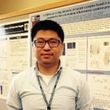
ZHUO WANG PhD (Wistar Institute); M.S. (Wright State University); B.S. (Shenyang Agricultural University)
Investigator, GlaxoSmithKline, Cambridge · United States
Editorial leadership for Journal of Drug Resistant Pathogen Research
Research interests
- Telomere Biology
- Tumor Virology
- Inflammation
- Exosomes
Biography
Dr. Zhuo Wang is an Investigator at GlaxoSmithKline in Cambridge, United States, specializing in telomere biology, tumor virology, inflammation, and exosomes. He earned his Ph.D. in Cancer Biology from The Wistar Institute and the University of the Sciences in Philadelphia (2012–2017), his M.S. in Biochemistry and Molecular Biology from Wright State University (2008–2010), and his B.S. in Biotechnology from Shenyang Agricultural University (2003–2007). Dr. Wang's research has focused on telomeric repeat-containing RNA (TERRA), the interplay between telomere dysfunction and viral infection, and the role of extracellular exosomes in inflammatory processes. His most-cited work, "CTCF driven TERRA transcription facilitates completion of telomere DNA replication" (2017), has been cited 76 times, and he has contributed to over 59 indexed publications advancing understanding of chromatin organization and telomere end protection mechanisms.
Considering JDRPR for your work?
This journal is guided by ZHUO WANG (Investigator, GlaxoSmithKline, Cambridge) and a peer-review board of practising researchers. Open access, author-retained copyright (CC BY), and a clear editorial process.